




Preserving. Remembering. Reclaiming.
Our History. Our Heritage. Our Future.
The Black Aboriginal Races Of The World — a study of the world's Black Aboriginal peoples through their paternal lineages, from the deepest branches of the human Y-chromosome tree to the coastal dispersals that reached Arabia, South Asia, the Andaman Islands, Melanesia and Australia.
Peoples
The Black Aboriginal
Peoples Of The World
Diverse. Powerful. Connected.
Select a people to open their history.
Explore Y-DNA & Culture
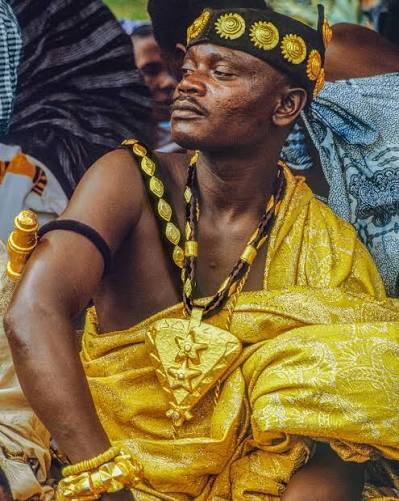
Africans
Haplogroup A, B, and E
Africa
Open history
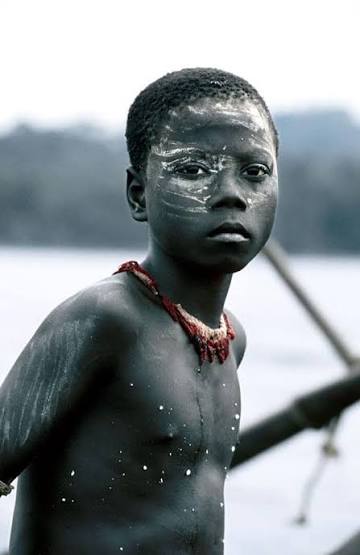
Andamanese
Haplogroup D
India
Open history
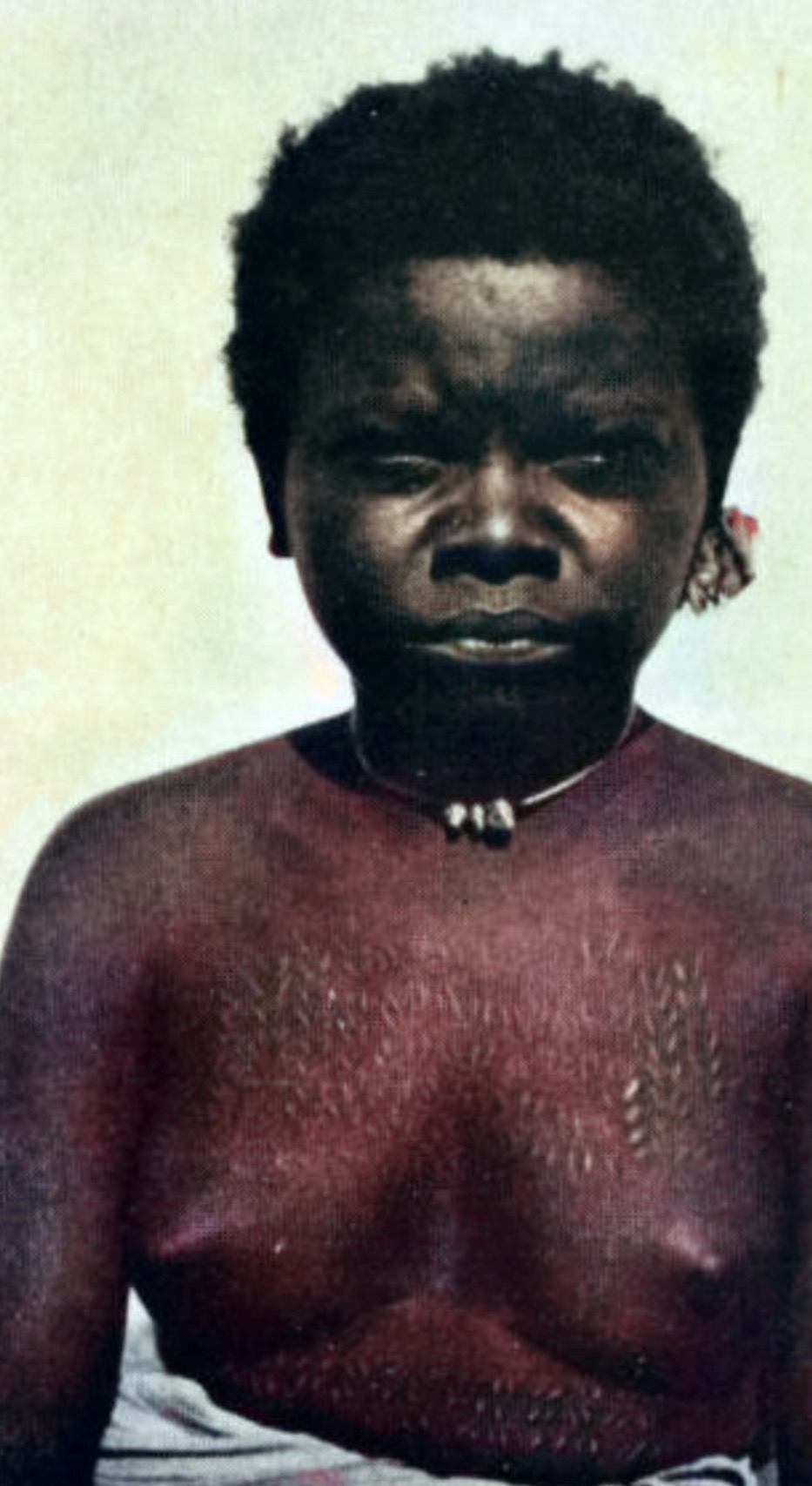
Negritos
Haplogroup C & K
Malaysia, Thailand, Philippines, Andaman Islands
Open history
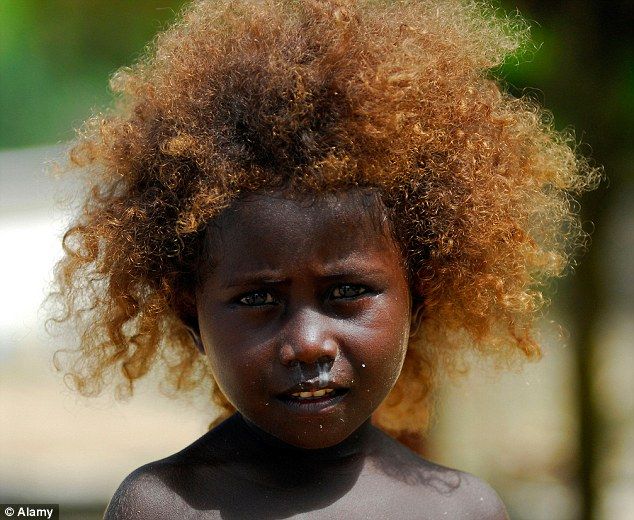
Melanesians
Haplogroup C & K
Papua New Guinea
Open history
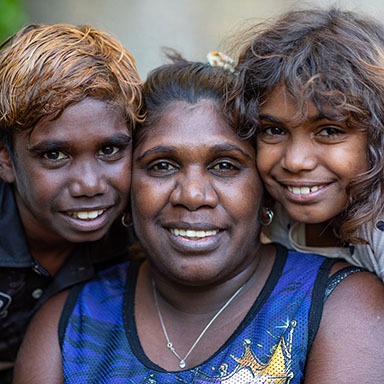
Aboriginal Australians
Haplogroup C & K
Australia
Open history
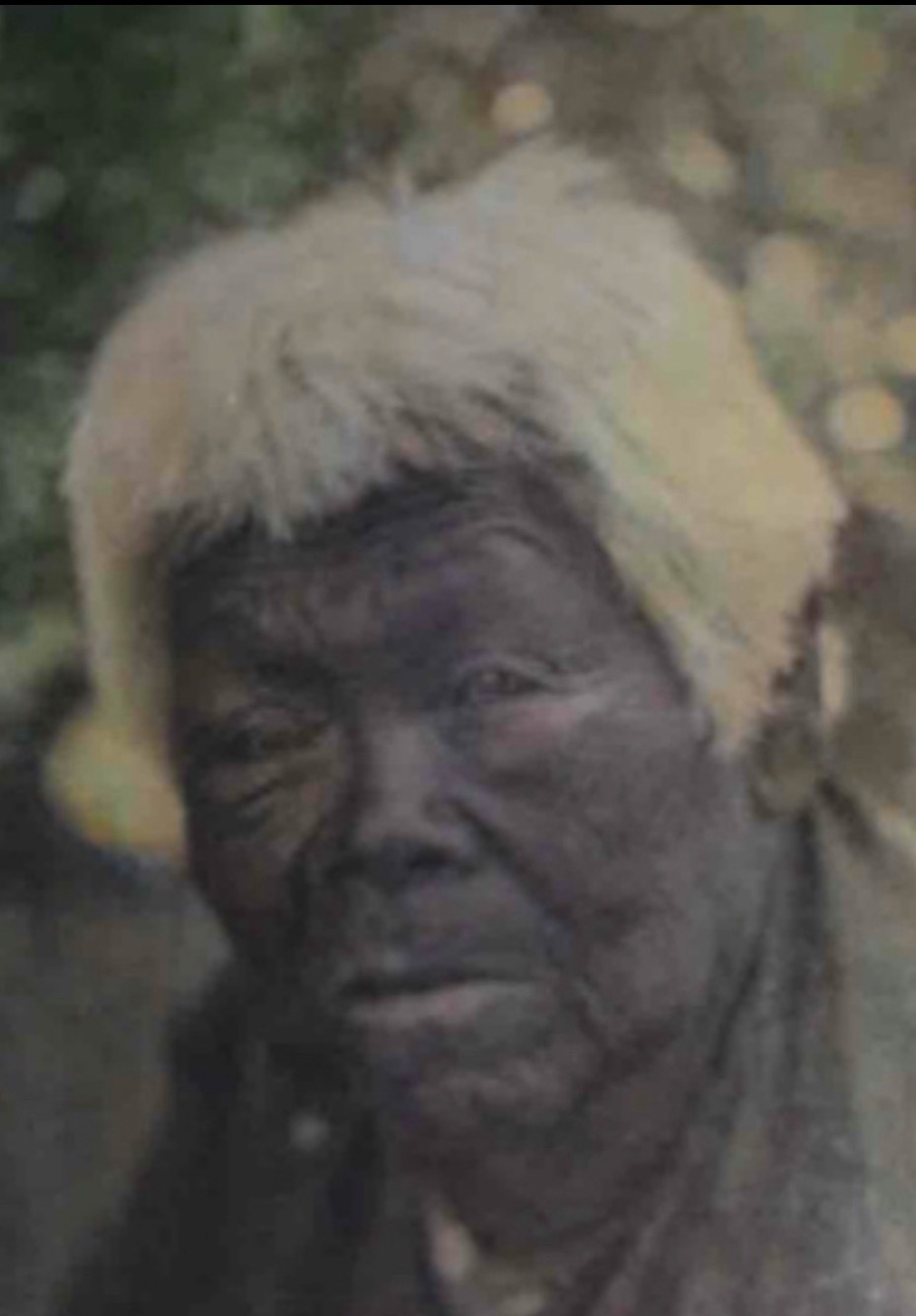
Aboriginal Americans (Pure Blood Extinct)
Haplogroup C
California
Open history
Empires
We Are The
Keepers Of
The Past
From the deserts of the Sahel to the islands of the Pacific, these stories are woven into one ancient fabric. More than history — a legacy carried in language, memory and lineage.
Learn Our Story
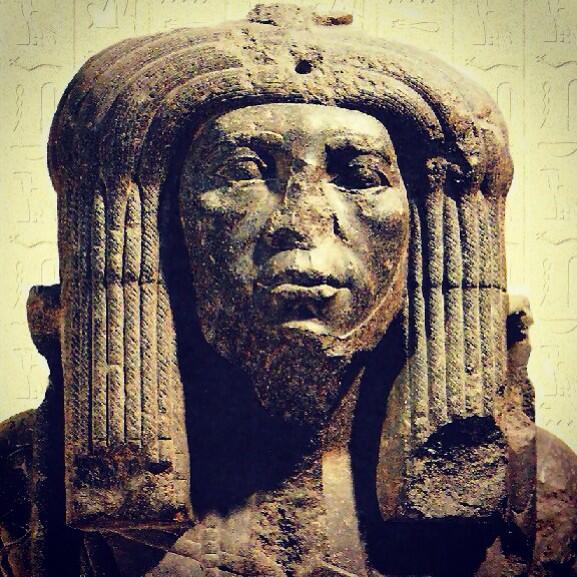
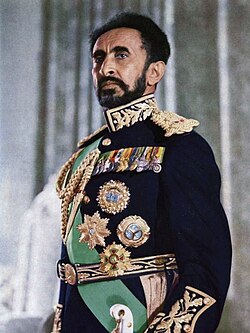
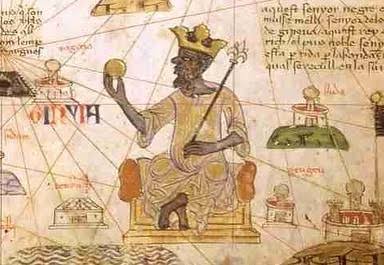
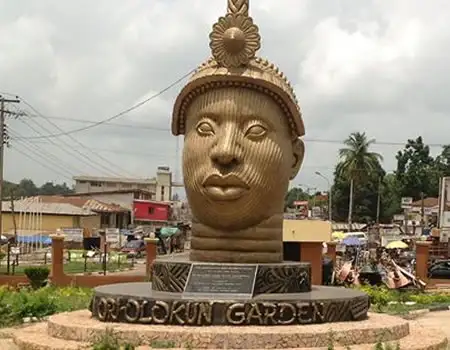
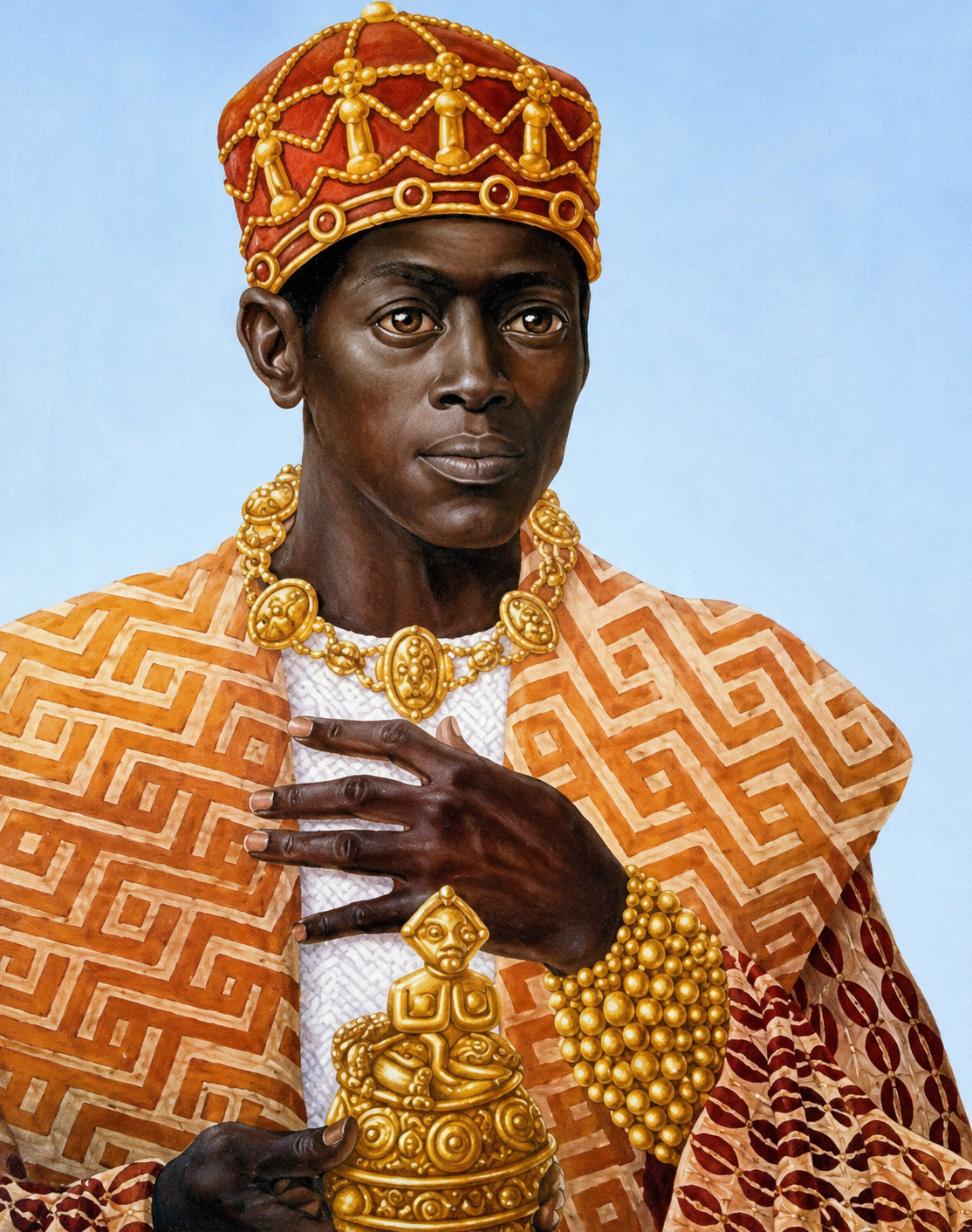
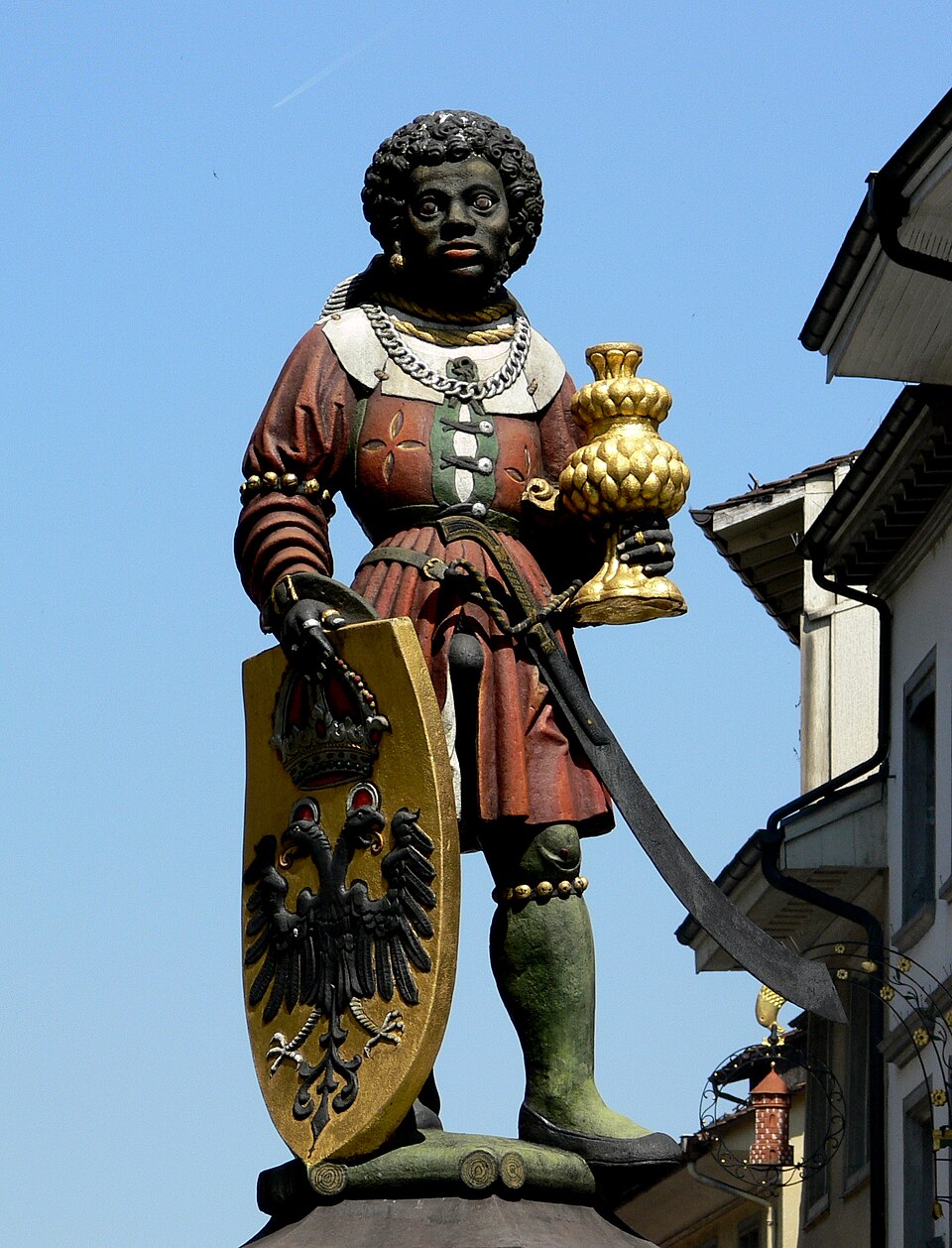
Foundation
The Genetic Roots of Africa
Africa contains the deepest branches of human paternal ancestry.
Every lineage in this atlas begins on the African continent. Haplogroups A and B hold the deepest surviving splits in the human paternal tree, while haplogroup E — the parent of E1a and E1b — became the most frequently observed paternal lineage across Africa and its diaspora.
The lineages that left, C, D and F, are documented here as well, because what departed clarifies what remained. Each page follows the same path: estimated origin, branching, migration and modern distribution.
About
Restoring Lineages · Refining History
History is never complete.
Every generation inherits the discoveries of those before it, but knowledge advances only when existing ideas are questioned, evidence is reexamined, and new possibilities are explored. Many of the world’s greatest scientific and historical breakthroughs began as unconventional theories before becoming accepted fact.
This project embraces that same spirit of inquiry.
We investigate the histories of Black Aboriginal peoples across the world through DNA evidence, historical records, archaeology, linguistics, oral tradition, and comparative cultural research — tracing their lineages across Africa, Arabia, South Asia, the Indian Ocean, Oceania, the Americas and the global African diaspora.
Rather than simply repeating established conclusions, this platform examines overlooked evidence, proposes new hypotheses, and continuously refines our understanding of African history as new discoveries emerge.
Eight lineages
Explore some of the deepest surviving branches of the human Y-chromosome tree.
Open lineage
Explore ancient paternal branches found among populations across Central, Eastern and Southern Africa.
Open lineage
One of the earliest lineages to leave Africa, carried along the southern coastal route to Arabia, South Asia, Australia and the Americas.
Open lineage
The sister branch of haplogroup E within DE, today found in Tibet, Japan and the Andaman Islands, with rare deep African branches.
Open lineage
Originated in Africa, yet the oldest indigenous paternal lineage in the Levant and Arabia as well; the most frequently observed paternal lineage in Africa and its diaspora; parent of both E1a and E1b.
Open lineage
A deep paternal lineage that traces an African origin through the Green Sahara, the Mediterranean world, and into the Sahel and West African empires.
Open lineage
Explore a highly diversified lineage with branches distributed throughout Africa and neighbouring regions.
Open lineage
The lineage from which G through T descend, accounting for the overwhelming majority of men outside Africa.
Open lineage
Maternal lineages · mtDNA
Macro-haplogroups L, M and N
Where the eight lineages above follow the father's line, mitochondrial DNA follows the mother's. Three macro-haplogroups hold every living maternal line: L, entirely rooted in Africa, and its two daughter branches M and N, which carry every maternal lineage outside Africa.
Macro-haplogroup L holds every deep maternal branch of the human tree. All non-African maternal lineages descend from one African sub-branch of L, L3.
- Estimated time depth
- ~150,000–200,000 years before present
- Estimated origin
- Africa (the deepest surviving maternal lineages are found in Southern and Eastern Africa)
- Parent lineage
- mt-MRCA — the maternal root of all living humans
- Defining mutations
- L is defined relative to the reconstructed mt-MRCA; every living person descends from it
Macro-haplogroup M dominates the maternal lines of South Asia, mainland and island Southeast Asia, East Asia, the Andaman Islands, Melanesia and Native America.
- Estimated time depth
- ~50,000–65,000 years before present
- Estimated origin
- Debated: either Northeast Africa / Arabia shortly after the exit, or South Asia soon after arrival
- Parent lineage
- L3
- Defining mutations
- Defined by coding-region mutations including C14766T and the diagnostic set separating it from L3 and N
Macro-haplogroup N is the second lineage to leave Africa. Through its huge daughter clade R it accounts for nearly all European and much of West Asian and Oceanian maternal ancestry.
- Estimated time depth
- ~55,000–70,000 years before present
- Estimated origin
- Likely Southwest Asia / the Arabian Peninsula shortly after the exit from Africa
- Parent lineage
- L3
- Defining mutations
- Defined by mutations including G8701A, C10398A, C10873T and G15301A relative to L3
The maternal root
mt-MRCA
└─ L — L0 · L1 · L5 · L2 · L6 · L4 · L3 (Africa)
└─ L3 → M (southern route) · N (northern route)
└─ N → R → B · F · H · V · JT · J · T · U · K
Mitochondrial DNA is inherited only from the mother, so it traces an unbroken maternal line. Macro-haplogroup L contains the oldest surviving splits in that line, and all of its deepest branches — L0 through L6 — remain frequently observed in Africa.
The earliest split separates L0 from the branch leading to L1'2'3'4'5'6. L0d and L0k, frequently observed among Khoe and San speakers of Southern Africa, sit on one side; the ancestors of every other maternal lineage on Earth sit on the other.
Roughly 60,000–70,000 years ago a single sub-branch of L3 gave rise to macro-haplogroups M and N. Everyone whose maternal line left Africa descends from that one branch, which is why non-African maternal diversity is a small slice of African diversity.
| Branch | Sub-branches | Time depth | Frequently observed in | Notes |
|---|---|---|---|---|
| L0 | Deepest split (L0a, L0b, L0d, L0f, L0k) | ~150,000–170,000 BP | Southern and Eastern Africa; L0d and L0k frequent among Khoe-San speakers, L0a widespread in East and Southeast Africa | The first branch to separate from the maternal root. L0d is the single deepest surviving maternal clade sampled in living people; L0a is common in Bantu-speaking East Africa; L0f is largely Tanzanian. |
| L1 | L1b, L1c | ~110,000–150,000 BP | West and Central Africa; L1c frequent among Central African rainforest hunter-gatherer groups (Aka, Mbuti-adjacent populations) and in Bantu-speaking populations | L1b is frequently observed across West Africa and, through the Atlantic slave trade, in the Americas. L1c carries some of the deepest Central African structure. |
| L5 | L5a, L5b | ~120,000 BP | East Africa — Mbuti, and scattered in Ethiopia, Kenya, Tanzania, Egypt and Sudan | A rare, very old lineage once classified inside L1; it branches independently near the base of the tree. |
| L2 | L2a, L2b, L2c, L2d, L2e | ~90,000–100,000 BP | The most frequently observed mtDNA macro-branch across sub-Saharan Africa; L2a is the single most common mtDNA haplogroup in the African diaspora of the Americas | L2a1 spread widely with Bantu expansions. L2b, L2c and L2d cluster in West Africa (Senegambia, Guinea, Nigeria); L2e is rare. |
| L6 | L6 | ~90,000 BP | Ethiopia and Yemen, at low frequency | A small clade sister to L3, mostly documented on both sides of the southern Red Sea. |
| L3 | L3a–L3x, including L3b, L3d, L3e, L3f, L3h, L3i, L3k, L3w | ~65,000–80,000 BP | East, West and Central Africa; also North Africa, the Nile Valley, Arabia and the diaspora | The parent of every non-African maternal lineage. L3e is strongly associated with Bantu dispersals; L3b and L3d with West Africa; L3f, L3h, L3i and L3x with Northeast Africa and the Horn. The specific sub-branch that left Africa gave rise to M and N. |
| L4 | L4a, L4b | ~90,000 BP | Eastern Africa — Hadza, Sandawe, Ethiopia, Kenya, Tanzania, Sudan; L4b (formerly L3g) reaches Arabia | A sister clade to L3, retaining old East African maternal structure. |
Mitochondrial DNA follows only the maternal line, so it is one thread of ancestry rather than a whole genome. Dates are estimates with wide confidence intervals, and every population carries multiple maternal lineages at once.
The four questions
Every lineage in this atlas answers the same four questions.
01
Where did it come from?
Its position within the human paternal genetic tree.
02
When did it emerge?
The approximate prehistoric timeframe, given as a range.
03
How did it move?
The migrations and expansions associated with its descendants.
04
Where is it found today?
Its modern geographic and population distribution.
How to read this atlas
Genetics is one thread, not the whole cloth.
Populations contain many paternal lineages at once. No ethnic group has a single haplogroup, and genetic ancestry does not equal ethnicity, nationality, culture or identity.
Prehistoric dates are estimates with wide uncertainty, so this atlas presents ranges rather than fixed years. Where research is unsettled, the relevant page says so and points to the studies involved.
Browse the research database