


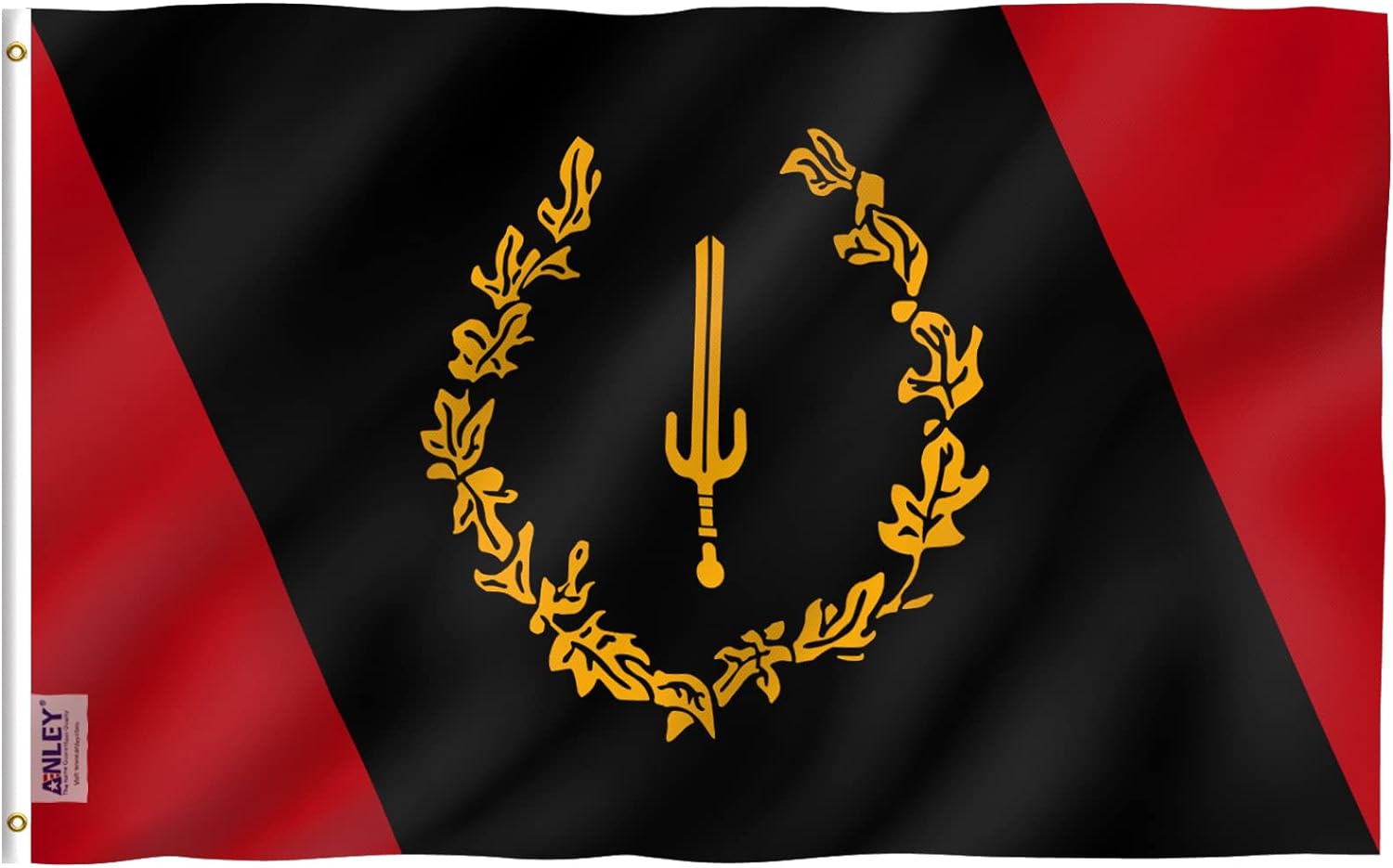


Haplogroup C & K
Negritos
The original peoples of maritime and mainland Southeast Asia — Batek, Maniq, Aeta, Ati and their kin.
Malaysia, Thailand, Philippines, Andaman Islands
All Black Aboriginal peoplesHistory & information
“Negrito” is a Spanish term meaning “little black person”, applied by missionaries in the 16th century to the indigenous peoples they encountered in the Philippines. It is now used more broadly for related foraging populations across Southeast Asia.
In Malaysia the native people are called the Batek, and Malaysians refer to them collectively as Orang Asli — “Original People”. The Malay Srivijaya empire came into contact with them; historically they traded with local populations, and at other times were subjected to exploitation, raids, slavery and tribute. For more than a thousand years some Negrito groups of the southern forests were enslaved and exploited into modern times, while others remained in isolation.
In Thailand the Maniq are among the earliest known inhabitants. Over time these populations adapted to diverse forested environments, maintaining distinct cultural and genetic lineages. Later waves of Austroasiatic and Austronesian migration brought agriculture and new technologies, but groups like the Maniq remained relatively isolated, preserving foraging lifestyles and oral traditions.
In the Philippines the Aeta, Ati and related tribes carry a name that literally means “black”, likely given by the Austronesians who arrived later and became the ruling population. The Negritos and other Black tribes of the Malay peninsula show a phenotype similar to — and possibly rooted in — the Khoisan.
Paternally these populations carry haplogroup C alongside K and its descendants, lineages that trace the earliest coastal dispersal out of Africa into Asia and Oceania.
The other side
The lineage breakdown
Two lineages define the Negrito peoples: haplogroup C and haplogroup K, the markers of the earliest coastal dispersal out of Africa into Asia and Oceania.
C
C-M130. One of the first lineages to leave Africa along the southern coastal route, carried into South and Southeast Asia, Melanesia, Australia and eventually the Americas. It is the deepest surviving paternal marker among the Negrito peoples.
Open lineage
K
K-M9 and its descendants, including S and M in Oceania. K spread with the same early coastal migration and today accounts for much of the paternal ancestry of the Aeta, Ati, Batek and Maniq alongside haplogroup C.
Open lineage
Photo gallery
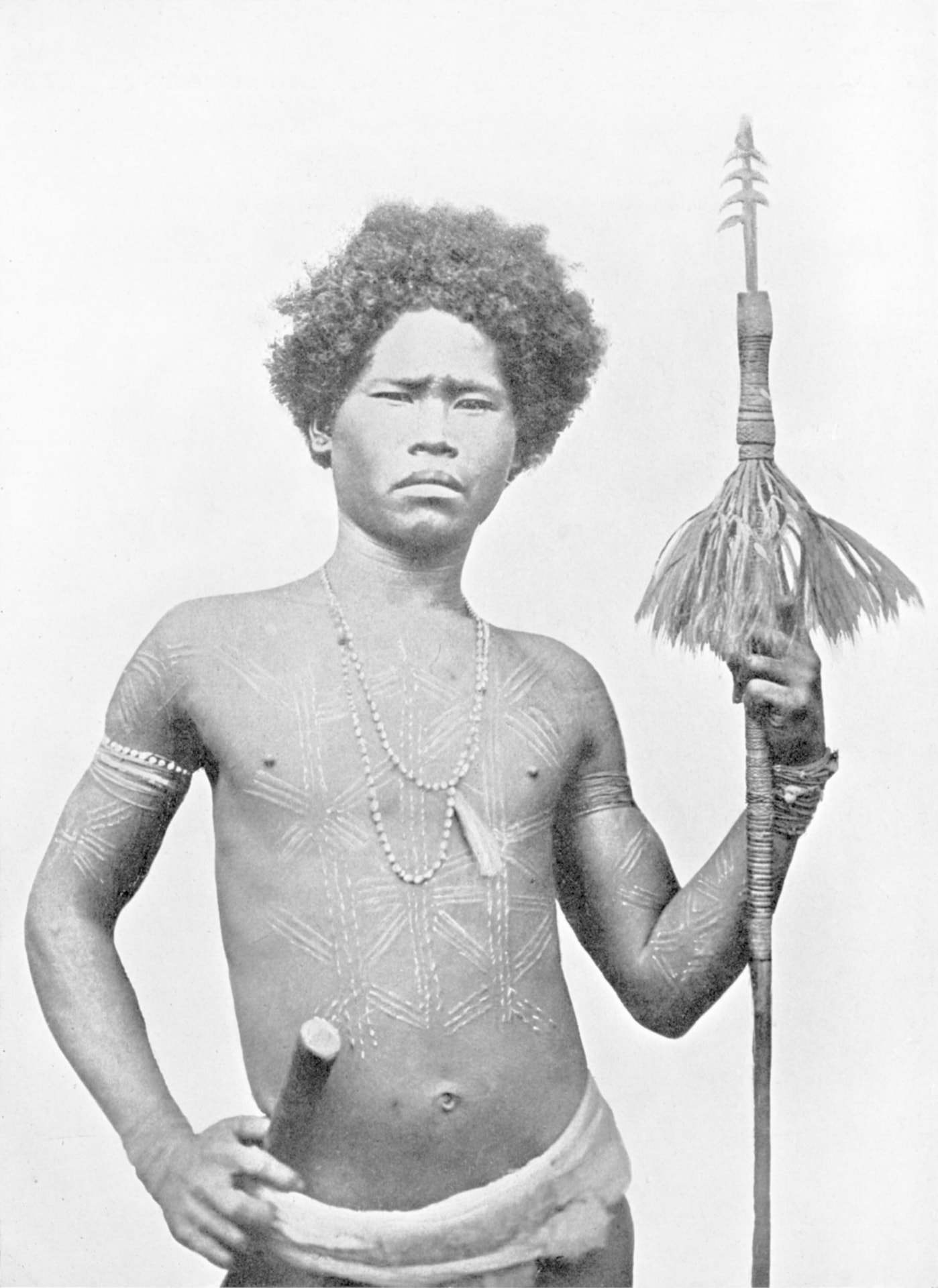
Luzon Negrito with spear
Philippines
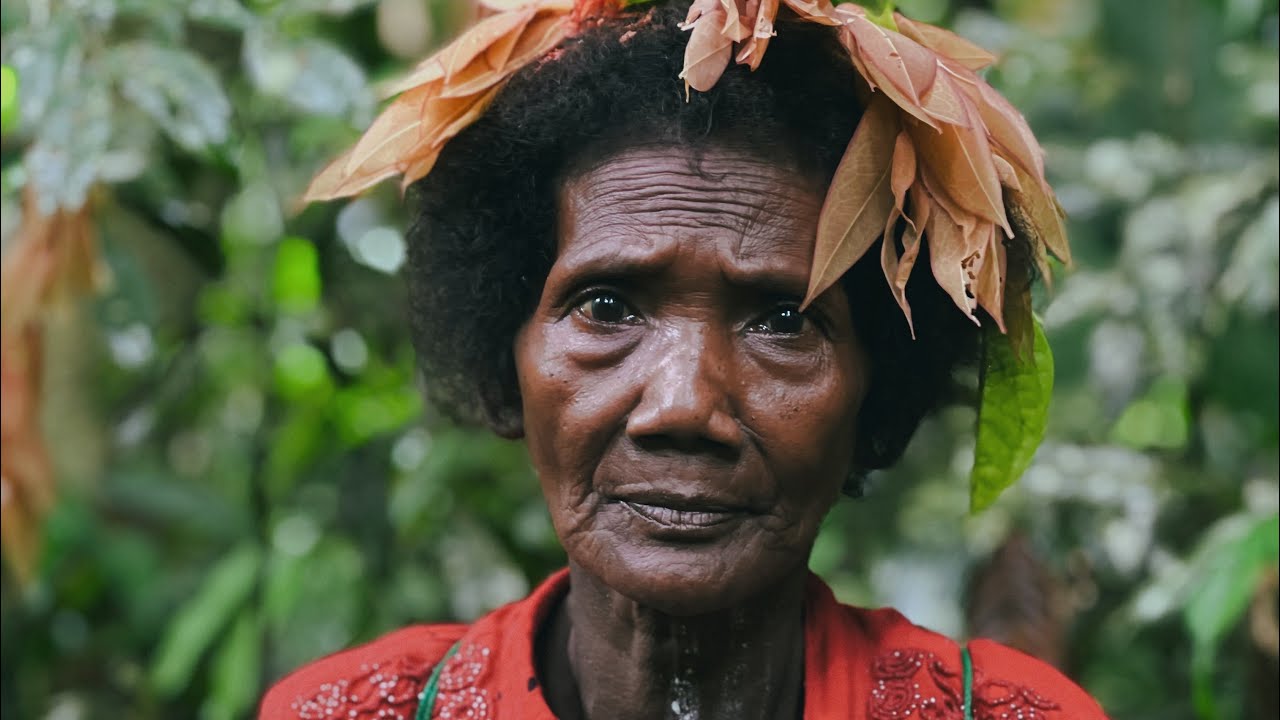
Batek elder
Malaysia
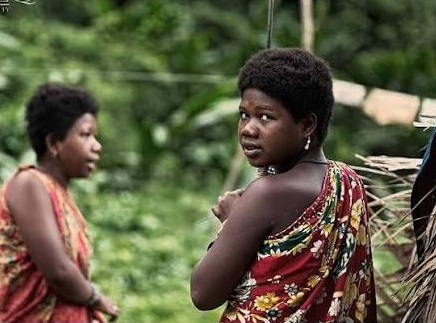
Batek women
Malaysia
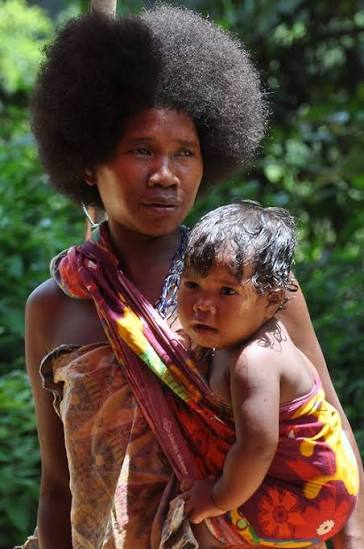
Batek mother and child
Malaysia
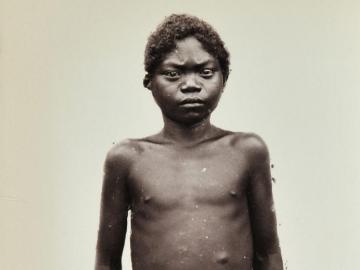
Negrito portrait
Southeast Asia