


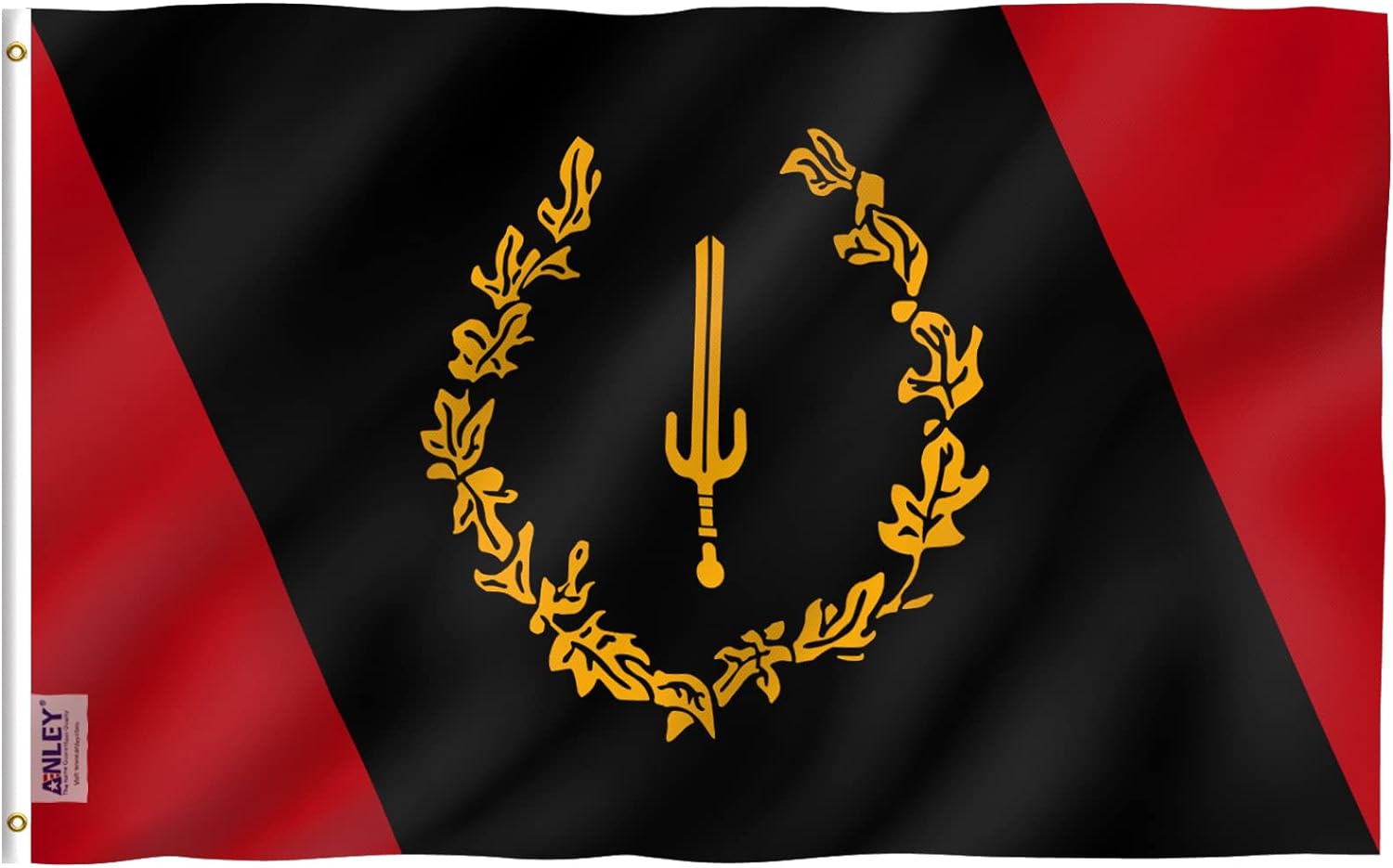


Haplogroup C
Aboriginal Americans (Pure Blood Extinct)
The Black indigenous presence in the Americas — from the first Pacific crossing to the Mandinka, the Moors and the Kalinago.
California
All Black Aboriginal peoplesThe other side
Are Black People African, Native American or Moors? The truth
Are Black Americans Africans, Native Americans, Hebrews or Moors? What if the answer was all four? And what if all four are actually one?
They fooled you into believing that all four were different so that you could only pick one and fight against the other.
What you claim and represent geographically does not matter, but what can be agreed upon historically, scientifically and genetically is that the melanated Black man and woman of the earth are the root race of mankind.
So with that being said, if Africa is considered the heartland of human existence, then the first people to leave would have been Black and melanated once upon a time — and we can see what the original people of the planet looked like back then based on surviving communities today.
The Negritos of South Asia
The Andamanese of India, the Semang of Malaysia, the Maniq of Thailand, and the Aeta, Ati and various other tribes in the Philippines.
Alongside the Negritos we also have the Melanesians, who inhabit the southeastern islands of Papua New Guinea, the Solomon Islands and the Torres Strait. The final group are the Aboriginals of Australia, and many more that are likely unknown or have been absorbed into other groups.
These groups are said to be the oldest people in the world. They were among the first groups to leave Africa 50,000–100,000 years ago.
India: The Andamanese
The Andamanese are the oldest indigenous group in India and are aboriginal to the country. They are mostly uncontacted and undisturbed, with a language still largely unintelligible to outsiders. They look phenotypically African but are genetically far removed from modern Africans by tens of thousands of years. They descend from the first Africans to leave the continent and migrate around the world, including India. They are older than the current population of Indians, who are also known to get extremely dark but retain features distinct from modern Africans, compared to the Andamanese, who are indistinguishable from Africans even in modern times.
The Andamanese tribes resemble an archaic African pygmy group that likely originated in ancient Central or East Africa.
Malaysia: the Batek
In Malaysia the native people are called the Batek. Malaysians refer to them as “Orang Asli”, which translates to “Original People.” The Malay Srivijaya empire came into contact with the Negrito. Historically they traded with local populations, while at other times they were subjected to exploitation, raids and slavery in Malaya, and to paying tribute to the Malays. For more than a thousand years some Negrito tribes of the southern forests were enslaved and exploited into modern times, while others remained in isolation and avoided contact.
Thailand: the Maniq
In Thailand the Maniq are among the earliest known inhabitants. Over time these populations adapted to diverse forested environments across the region, maintaining distinct cultural and genetic lineages. While later waves of migration — Austroasiatic and Austronesian-speaking peoples — brought agriculture and new technologies, groups like the Maniq remained relatively isolated, preserving foraging lifestyles and oral traditions.
The Philippines
In the Philippines the indigenous people are called Negritos, which means “little Black person”. This is what Spanish missionaries called them during their explorations in the 16th century. The Negritos and other Black tribes of the Malay peninsula have a Blasian phenotype similar to — and possibly rooted in — the Khoisan, who are the root of the Asiatic phenotype. The Aeta are one of these tribes. Their name literally means “black”, likely given to them by the Austronesians who arrived later and became the ruling population.
Melanesia
The Melanesians of Indonesia, Papua New Guinea, the Solomon Islands and beyond are the original people of the lands where the current Southeast Asian populations met them. Their culture resembles that of archaic Bantu people from Kenya and East Africa, such as the Kikuyu.
Early European explorers noted the physical differences among Pacific Islanders. In 1756 Charles de Brosses theorised that there was an “old black race” in the Pacific who were conquered or defeated by the peoples of what is now called Polynesia, whom he distinguished as having lighter skin.
The largest and most populous Melanesian country is Papua New Guinea. Its largest city, Port Moresby, has about 318,000 people, mostly of Melanesian ancestry. The western half of New Guinea is part of Indonesia and is predominantly inhabited by indigenous Papuans, with a significant minority of settlers from other parts of Indonesia.
Australia
In Australia there are Melanesian people who inhabit the Torres Strait Islands. As of 30 June 2016 about 38,700 people identified as being of Torres Strait Islander origin only, while others are of mixed Aboriginal descent. Because of their close proximity to the Australian mainland they also carry other local admixtures, likely from intermarriage.
The Torres Strait Islanders, like their Papuan brothers, resemble archaic Bantu from East Africa. The headdresses of the Torres Islanders resemble those of the Luo people of Kenya. And finally, the indigenous people of Australia are famously known as the Aboriginals. The Aboriginal Australians and the Andamanese of India are the oldest continuous populations from the out-of-Africa migration surviving today.
Haplogroup A: the root
Haplogroup A is the shared ancestral lineage that all humans descend from and is the oldest of all modern Y-haplogroups. It formed more than 300,000 years ago. Jebel Irhoud in Morocco, dated to about 315,000 years, shows early Homo sapiens skull shape and face.
A produced eight subclades: A00a, A00b, A00c, A0, A1, A1a, A1b and A1b1. A00 represents the earliest surviving split from the common paternal ancestor of all modern men — essentially the “Adam node.” A would have dominated Africa before the emergence of other lineages. It was first found among the Mbo people of western Cameroon, and closely related lineages have been found across Central Africa (Cameroon, Chad, Gabon).
Haplogroup A carriers include the Mbo and Bangwa of Cameroon; the Dinka, Shilluk and Nuer of East Africa and the Nile Valley; the Mbuti, Biaka and Baka of Central Africa; and the Khoisan of southern Africa. A is also reported in Saudi Arabia, Yemen, Kuwait, Qatar, Jordan, the Levant, Kenya, Ethiopia, Somalia and Sudan according to YFull.
From A1b we get haplogroup BT, and BT produced B and CT.
Haplogroup B
Haplogroup B is concentrated in the Central African rainforest among the Baka, Mbuti and Twa, who are very similar to the Negritos of Asia. It is also found in some East African Bantu populations such as the Luhya, Luo, Kalenjin and Hema.
CT, DE and CF
CT is the lineage from which all out-of-Africa migrations descend. CT produced DE and CF, the parents of the lineages those migrations stem from. Native Americans are predominantly haplogroup Q, with a smaller percentage carrying haplogroup C. I believe that the first people of the Americas were Black melanated people from the Southeast Asian groups.
Haplogroup DE is identified with Basal Eurasians, meaning that in this chapter of their history the people of this lineage still had zero admixture with Neanderthal or Denisovan groups. DE were originally an Afro-Asiatic people likely originating between East Africa, the Levant and Arabia before beginning their migration.
D and E split around 65,000–70,000 years ago. Today D represents Black Aboriginal South Asians such as the Andamanese. E represents mostly Africans today, along with diasporans, Moorish descendants, Bedouins and South Arabians.
CF, like its sibling DE, would eventually split. Both accompanied each other into South Asia, but while F was limited to Asia, C would travel as far as the Americas. The Melanesians, Aboriginal Australians and Native Americans come from haplogroup C. All of these groups are older than the modern predominant populations, and they all descend from the out-of-Africa migration.
An archaeological find in Europe called Cheddar Man shows that around 10,000 years ago Europeans had dark skin. Why would America be any different? Over time many groups retained or lost melanin for various reasons, including who they interbred with and genetic mutation. The world was once entirely Black or deeply melanated, and America would not be any different — but as different races emerged, different groups also arrived in search of new settlements, which is how the red Indian would emerge.
The ancient Black natives of the Americas were likely closely related to the Blacks of the Indian and Pacific Oceans, which is why haplogroup C can be found in both regions.
Seven waves of Black presence in the Americas
Today Black people in America are no longer genetically one specific group, and neither are most people in general. Due to history, colonisation and an unfortunate turn of events, there is no such thing as a Black or African American person who is 100% of any one ethnic group. But we can mark the Black presence in the Americas in waves of migration.
1st wave — the inception
The root, which I identify as the Southeast Asian migration, likely happened 50,000–75,000 years ago. This predates the red Indians, who came through the Siberian migration 10,000–15,000 years ago. They likely sailed across the Pacific and settled Polynesia and the west coast of America. According to the French anthropologist A. de Quatrefages, Father Garcés found two races, one Black and the other Red, that spoke different languages. Father Garcés said he was told that “les noirs étaient les anciens habitants du pays” — the Blacks were the ancient inhabitants of the land.
2nd wave — the ancient Egyptians
By 2700–2200 BCE the people of Kemet were fully capable of maritime expeditions, and evidence suggests an early presence in the Americas. The theory is that Egyptians reached the Grand Canyon thousands of years ago and left artefacts, and that the Smithsonian covered it up after a man named G. E. Kinkaid reported the discovery in 1909. Mainstream historians say it is a hoax, but it remains one of the most famous “lost history” legends in America.
3rd wave — the Babylonian exile
After the ancient people of Kemet, the next wave came in the Babylonian era, when Jews became refugees across the earth. It is highly likely that those who were not taken captive and successfully escaped the invasions would have gone as far outside the radar as they could to evade their Babylonian oppressors. Jews had a presence as far as Southeast Asia and have always been international merchants, so what would stop them from taking the same sea route to the Americas as the ancient Melanesians of the Pacific?
4th wave — after the Bar Kokhba revolt
The fourth wave is the post-Bar Kokhba era during the Jewish–Roman wars of the 2nd century AD. During the Roman occupation of Judea, rising conflicts led to a revolt led by Simon bar Kokhba, which was unsuccessful and resulted in the dispersal of the Jews once again — mainly to Eurasia and Africa, but likely also to the Americas.
5th wave — the Moors
The fifth wave was the Moorish era, which could be dated earlier but which we will mark from the 7th century AD around its zenith, lasting all the way into the slave trade. The Moors, who consisted of Jews and Muslims, had woven an intercontinental business thread which included contact with the Americas and its natives, Black and Red.
The Muslim and Jewish Moors of North Africa, the Sahel and Arabia were, prior to intermixing with their host communities, virtually all Black or melanated Judeo-Berbers and Arabs who participated in the conquest of Europe. The Moors brought science, alchemy, philosophy, theology, education systems, new forms of governance, architecture, financial institutions and hygiene to the Europeans. A people with such a wide arsenal of knowledge, able to traverse the Sahara and sail the seas, would without a shadow of a doubt have already had maritime and seafaring knowledge, especially with trade networks on every continent.
The Radhanite Jewish merchant guild of Arabia and Eurasia settled in Timbuktu in the 8th century. From there they assimilated into the ruling kingdoms of the land such as Gao-Songhai, Wagadou (Ghana) and Mali. They became intercontinental merchants in Africa known as Wangara (Wagadou), Wakore (Gao-Songhai), Dyula (Mali, Ivory Coast), Jakhanke (Senegambia–Guinea) and Wassangari (Borgu, Nigeria).
Archaeological digs show that Gao-Saney was occupied by roughly 700 CE and was a centre of manufacturing, iron smelting and trade with areas as far away as Mesopotamia. It was the southern terminus of a trade route that linked it to the Mediterranean. This is fully consistent with the Radhanite arrival and identity, especially since they had been in contact with regions like Mesopotamia since their exile into Babylon. They likely carried Y-haplogroups E1a (E-M132) as well as E1b1b.
The Moors likely established trade and settlement with America as early as the 2nd to 7th century, or as late as the 8th to 11th century AD. The converso Jewish Moors, those forcefully converted to Catholicism, would become the first source of labour in the new world alongside the Native Americans, because the Moors already knew how to get to the Americas. Pedro Niño the Moor was even the one who navigated Columbus to the new world. They already had trading relations with the people and were multilingual, so they knew some of the local languages. This is partly why Columbus would already find a Black presence upon his arrival.
Even though history paints a narrative in which Columbus was unaware that an indigenous population would be in the Americas, he clearly anticipated it — otherwise he would not have come armed, nor would he have needed the Moors to translate. Even prior to the Moors, four or five other major waves of Black presence had already preceded them.
6th wave — the Mandinka
The next wave of Black migration came from the Mandinka people of Mali, who were aware of Moorish sailors that had made the feat. Mansa Musa was the ninth Mansa or king of the Mali empire and is sometimes called one of the wealthiest men to have lived after Solomon. At the time of Musa’s ascension, Mali largely consisted of the territory of the former Ghana Empire, which Mali had conquered — land now part of Guinea, Senegal, Mauritania, The Gambia and the modern state of Mali.
Musa went on hajj to Mecca in 1324, travelling with an enormous entourage and a vast supply of gold. En route he spent time in Cairo, where his lavish gift-giving is said to have noticeably affected the value of gold in Egypt for the next twelve years and garnered the attention of the wider Muslim world.
The geographer Shihab al-Din al-Umari, who lived in the 13th–14th century, wrote that the Mandinka sailed across the Atlantic in the early 1300s. In his report “Masalik al-Absar fi Mamalik al-Amsar”, Musa explains how power came into his hands: “We are from a house that transmits power by heritage. The ruler who preceded me would not believe that it was impossible to discover the limits of the neighbouring sea. He had two hundred ships equipped and filled with men, and others in the same number filled with gold, water and supplies sufficient to last for years. He told those who commanded them: return only when you have reached the extremity of the ocean, or when you have exhausted your food and water. They went away, their absence was long. Finally a sole ship reappeared. The captain said: we sailed a long time, up to the moment when we encountered in mid-ocean something like a river with a violent current. My ship was last. The others sailed on, and gradually as each one entered the place they disappeared and did not come back. But the emperor did not want to believe him. He equipped two thousand vessels, a thousand for himself and the men who accompanied him and a thousand for water and supplies. He conferred power on me and left with his companions on the ocean. This was the last time that I saw him, and I remained the absolute master of the empire.”
Musa’s predecessor in this story is famously known as Abu Bakari Keita II, but he is recorded in the list of kings as Mohamed ibn Qu. Qu sailed off in 1311, leading an expedition equipped with two thousand ships carrying navigators, sorcerers, sailors, physicians, food, goods, crops, metals and seeds. This is the true story of how Mansa Musa came into power in 1312.
Between 1492 and 1493 Columbus noted in his journal that while in Haiti the Taíno confirmed that “black skinned people had come from the south-east in boats, trading in gold-tipped spears.” Columbus took samples of the gold the natives called “guanine” and sent it to the sovereigns in Spain to be examined. It was found to have 32 parts: 18 of gold, 6 of silver and 8 of copper — a ratio identical to the spears being forged in African Guinea, which was part of the Mali empire. The Taíno word for gold, “guanin”, derives from the Mandinka “ghanin”, which derives from the Arabic “al-Ghaniyy”, one of the 99 names of Allah, meaning “the self-sufficient, the rich”. This makes sense because the Mali empire was Muslim.
It is sometimes said that Qu landed in present-day Brazil. This would be the result of taking the Canary Current from the Cape Verde region, which would carry them from Senegambia to Brazil in about three weeks to a month. Off the coast of Cape Verde there is a current that takes you straight to the Americas. From Brazil they would go to the Caribbean and as far as North America.
The Kalina and the Kalinago
The Black natives Columbus saw in Haiti were Kalinago people, a subgroup of the Kalina, who are classified as Caribs, while the Taíno are classified as Arawak. By 1000 AD the Lokono Arawak relocated from the Orinoco valley in South America to the islands of the Caribbean Sea. The Caribs are believed to have migrated from the Orinoco River area to the Caribbean islands by about 1200 AD according to carbon dating. Over the two centuries leading up to Columbus’s arrival in 1492, the Caribs mostly displaced the Taínos by warfare, extermination and assimilation.
So who are the Caribs, and how do they relate to the Mandinka? By the time the Mandinka arrived in Brazil and expanded into the Orinoco region of Venezuela and Colombia, there were likely still Arawak tribes remaining, but not as many as before. The Arawak left Orinoco 300 years before the Mandinka arrived, so the only tribe left dominating the region were the Kalina. The Kalina had only left Orinoco 100 years before the Mandinka arrived, and the migration was still ongoing.
The Mandinka already took into consideration that the new land they were sailing to would have an indigenous population. This is why they brought things of great value with them, to show good heart and intention. I believe the Mandinka settled and aligned themselves among the Kalina, intermixed with them, and this resulted over generations in a new hybrid offshoot of Mandinka and Kalina blood — the Kalinago, who are typically darker than the pure Kalina of South America and the Caribbean. The Kalina can be anywhere between red and light brown, while the Kalinago can range from light brown to darker shades. The Kalinago in the Caribbean became known as Island Caribs, while the Kalina who stayed in South America became known as mainland Caribs.
In June 1494, on Columbus’s second voyage, it was reported that he saw Black-skinned people on the island of Quisqueya (Haiti). He asked the Indians who they were and where they came from. They answered that they called themselves Kalina, which would have been the Kalinago people. The Taíno told him that Black people had come from the southeast in boats, trading in spears tipped with gold. The natives did not speak Spanish — so who was translating? The Moors that the Spanish brought from Iberia as guides.
Southeast of Haiti are Venezuela and Colombia, where the Orinoco valley is located: the foundation of the Arawak Taíno and of the Mandinka–Kalina hybrid that brought forth the Kalinago. When the Kalinago left Orinoco, some also settled in Central America in present-day Nicaragua, Honduras, El Salvador and Belize. This is the true origin of the Garifuna, whose Black presence predates slavery but was further increased by it. The name Garifuna derives from “Karifuna”, meaning a Kalinago person.
Some of the Muslim Africans of Honduras called themselves “Al-mamys” prior to the coming of the Spanish to Central America. Giles Cauvet, in Les Berbères de l’Amérique, stated that a tribe of Almamys inhabited Honduras before Columbus, and added that the title Almamy does not antedate the 12th century, the earliest date at which Black African Muslims would have been conveyed to the American isthmus. In the Manding language “Almamy” was the designation of “Al-Imamu”, from the Arabic “Al-Imam”, the leader of the prayer or, in some cases, the chief of the community. The name Jara derives from the Mandinka surname Diarra. These sightings and linguistic traces are clear hints that the Mandinka not only arrived but also brought the influence of Islam.
Queen Calafia and California
If the Mandinka were able to sail from West Africa to Brazil, migrate into Orinoco, intermix with the Kalina forming the Kalinago, then leave Orinoco and reach not just the Caribbean but Central America, then North America does not sound far-fetched. This brings us to the origin and legend of Queen Calafia, from a 1510 novel called The Adventures of Esplandián, in which the mythical island of California appears — a rich island “on the right hand of the Indies” ruled by a Black warrior queen named Calafia. Calafia ruled over a kingdom of Black women and was convinced to raise an army of women warriors and sail away from California with a large flock of trained griffins to join a battle alongside her Moorish allies against the Christians defending Constantinople.
Though this is only a novel, for Black people to be painted through the European lens in such a way is very telling and is not a coincidence. Just a decade before 1510 was the Reconquista, a war between Moorish Jews and Muslims and Christians. In 1501 Spanish explorers were already using Moors as guides and translators in the new world because of their experience on the new continent. Whether Calafia as a person was real or not does not matter; the symbolism she represented speaks volumes about what things looked like at that time.
In the novel the island of California is described as being on “the right hand of the Indies”. In the 1500s the term Indies referred to what we now call the Caribbean or West Indies. The right hand of the Indies is the Lesser Antilles island chain — Trinidad, Dominica, St Vincent, St Lucia and others — which is Kalinago dominant. The Califian natives of the island of California were not describing a mythical place or the modern state, but likely a representation of the Kalinago in the Lesser Antilles that had recently been explored by Columbus on his second voyage.
The Kalinago are also known as Kalhiphona. It is possible that Kalhiphona is where the Spanish corrupted name California derives from. When the Spanish asked the Kalinago who they were, they likely answered “Kalhiphona” or “Karifuna”, meaning a Kalinago person, or proclaimed that they were of the Kalhiphona nation.
Evidence shows that further offshoots ventured into North America, including California, so when the modern state of California got its name it was likely inspired by the original inhabitants, who reminded the Spanish of the Kalinago from the island of California in the novel. These are some of the Aboriginal Blacks of California who may have joined groups that came from Melanesia during the first wave, such as the Muwekma Ohlone tribe. In modern-day California, groups like the Miwok, Ohlone and Serrano have been shown to be very dark.
The Mendica and the Doguene
In New Mexico and Arizona, Álvar Núñez Cabeza de Vaca found numerous ethnic groups speaking a multiplicity of languages. Due to the pluralistic nature of these societies, the people could only communicate using sign language. De Vaca said that one of these groups was named Mendica — a name identical to Mandinka, the name of one of the Manding-speaking peoples of Mali. According to the Texas State Historical Association, the Mendica Indians, an otherwise unidentified tribe, were mentioned by Cabeza de Vaca as living inland from the Doguene Indians. The term “Doguene” also happens to be a place name in the Thiès region of Senegal.
The Doguenes (Aguenes, Deaguanes, Deguenes, Draguanes) were Indians of the Texas coast among whom Cabeza de Vaca lived for a time, presumably about 1528. Their precise location cannot be determined, but geographic details in his narrative seem to indicate the vicinity of Matagorda Bay. About 160 years later, when Europeans again visited this section of the coast, it was occupied by Karankawan groups.
Later speculation placed the Karankawa language in the Cariban linguistic stock. Linguistic data suggests the Karankawa name originated from “Kalina” and a suffix from a northern Carib tribe, “kxura”, meaning “people”: Karinxkxura, “Carib people”. Scholars have speculated that the Karankawa descended from a group of Carib Indians who arrived by sea from the Caribbean basin, partially based on the similarity of their physical appearance to Caribbean natives. This means the Karankawa are Kalinago, which means they are likely related to the Mendica (Mandinka) and Doguene as well, which is why they all settled among each other, possibly as allied tribes.
People may ask what happened to native groups like the Mendica and Doguene. Did they go extinct? As a distinct American cultural group, yes — but the descendants of the people still survive today in local Black Texas communities, unconsciously. The Mendica and Doguene would have been forcefully enslaved alongside West Africans, and once they intermixed they were indistinguishable from one another. Today small traces likely show in DNA as 1–2% “Indigenous American” and 5–30% “Mali”, especially on the East Coast from Virginia to Florida, but also in the Deep South — Alabama, Mississippi, Louisiana and Texas.
The elephant slabs
In Arizona the Mandinka left inscriptions which show that they also brought a number of elephants to America with them. Writings and pictographs found in a cave at Four Corners, Arizona discuss the characteristics of the desert. The first two lines of the Arizona inscriptions read “ga-gya kpa-nde-ngbe-ka-go-ne”, meaning: the desert is hot, birds are numerous, white, and called “go”. Another inscription reads “ga-ka, Bi-kpa”, meaning the elephants are sick and angry.
Thomas Jefferson, a founding father of vertebrate paleontology, wrote of a Mr Stanley, taken prisoner by the Indians near the mouth of the Tennessee River, who related that after being transferred through several tribes he was carried over the mountains west of the Missouri to a river which runs westwardly, and that he had seen elephant bones there. The Native American tradition recorded by Jefferson and the Montezuma Valley jar make it clear that the Elephant Slabs are authentic artefacts and not forgeries. The Mande inscriptions on the slabs illustrate that when the Mande lived at Flora Vista there were elephants in the surrounding region. Dr David Imhotep claims the Elephant Slabs were written by Africans.
When the Spanish arrived in Arizona they reportedly found Black communities. In 1775 Father Francisco Garcés discovered Black men living in a community beside the Zuni Indians in New Mexico. Garcés explored Arizona and California and was assigned to Mission San Xavier del Bac near Tucson, Arizona. The adobe houses that the Zuni and other Pueblo Indians lived in are reminiscent of some Mande Sahelian styles in West Africa. Father Garcés is also the same man who stated that between the red and Black natives, “the Blacks were the ancient people of the land.”
In 1528 the Spanish explorer Cabeza de Vaca and Estevanico the Moor from Azemmour, Morocco — the first documented African to explore the Americas — encountered numerous peoples living in the American Southwest as they sought the Seven Cities of Cíbola, said to be centres where fantastic amounts of gold could be found.
Reading your own lineage
African Americans today are an amalgamation of West and Central Africans predominantly, but also Moorish Jews and Muslims from North Africa and Iberia, Black Aboriginal Native Americans, Red Native Americans, Europeans, and sometimes small traces of Asian or Middle Eastern ancestry.
The Y-haplogroup can be traced back hundreds of thousands of years like a genetic signature passed down from father to son only, so the haplogroup of the father, son and grandson will always be the same, and the geographic distribution of people who share that signature can be traced by comparing DNA samples. You are able to trace your Y-haplogroup back before the slave trade by knowing the distribution of the haplogroup today and the historical migrations or displacements that brought your lineage where it is.
The Aboriginal Black Native Americans were and are likely haplogroup C, which is shared with the Negritos, Melanesians and Aboriginals of Southeast Asia and Australia, who are still Black and phenotypically reminiscent of African and Black diaspora populations to this day. They are also likely carriers of Q to a lesser degree, possibly through the intermarriage of a male red native into a Black native family. On the flip side, the red natives likely descend predominantly from haplogroup Q, but possibly C as well to a lesser degree, for the same reasons. The mtDNA of Native Americans is typically noted as A, B, C and D.
Do not get it mistaken: white and lighter skin only arose 6,000–10,000 years ago, which means that prior to that the whole world was Black or deeply melanated. Haplogroup Q is far older than 10,000 years, which means that at its root it is also of the Black race, but diverged over time and evolved into a red or copper-toned people. Haplogroup C retained its blackness in Oceania among the Melanesians and Aboriginal Australians, but in America its carriers were enslaved and assimilated into African groups. Their identity was stripped for generations through paper genocide, so there are many Black haplogroup C carriers who are likely unaware of their native roots and assume they are African. Once a full-blooded African mixes with a full-blooded Black native, the features of the child become indistinguishable from any other African. The only true way of knowing if the root of your blackness is Aboriginal American is by knowing your haplogroup.
Africans and diasporans predominantly descend from paternal Y-haplogroups E, A and B — Afro-Asiatic, Khoisan, Nilotic and Pygmy. Maternally they descend from mtDNA haplogroup L through its subclades L0, L1, L2 and L3. L4, L5 and L6 are rarer, but present in East Africa, especially Ethiopia and the Horn. Diasporans also sometimes descend from European haplogroups due to the non-consensual relations of white men with enslaved women.
If you are a Black American male and you are haplogroup E, then your paternal ancestors descend from one of the following: an Iberian Moor brought to the Americas from Europe by the Spanish as a guide who intermixed with West African and Native American slaves; Sahelian Moors from Senegambia as far as northern Nigeria who were enslaved; Moors who came as free people of colour for trade, exploration or to escape the Spanish Inquisition; a Mandinka or other African explorer who settled America and intermixed with an Aboriginal Black or Kalina woman; a West African warrior taken as a prisoner of war and sold to the Americas; or a young African boy captured in a raid and sold to the Americas.
If your haplogroup is A or B, you descend from East, Central and southern Africans of the Khoisan, Nilotic or Pygmy tribes who may have been captured. If you have a European haplogroup you likely descend from a European man during the colonial era. If you do not descend from mtDNA A, B, C or D, then your maternal line descends from a female population that accompanied one of the scenarios listed above. As long as your Y-DNA is haplogroup E, B or A, or your mtDNA is L, the root still goes back to Africa.
The reason DNA tests do not support the Native American claims of Black people is not only paper genocide, but because you may descend from a hybrid group who were both African and native, such as the Kalinago Mandinka–Kalina fusion. Since some Black native groups already had African DNA within them from pre-Columbian migrations and likely continued to mix among themselves, relooping the African gene over and over, once they intermixed with West African slaves and free people of colour the African gene would only become more dominant, relooping back into itself. The last enslaved ancestor of Black people was about 160 years ago — about the generation of a great- or great-great-grandparent. The African autosomal signal would have been strong among those ancestors, which is why it is strong in you.
Or it could be that you are not a descendant of Native Americans at all, but of Africans — and there is nothing wrong with that. It is something to take pride in. African history has made phenomenal feats beyond the agenda-based narratives, but it is up to you, the individual, to seek it.
If you are not haplogroup C, you may still have Black Aboriginal American DNA autosomally, but it would not predate slavery or Mandinka exploration; it would have come after Moorish or West African enslavement. That ancestry is still real and valid, but it is only a part of your blackness and not the root of it. If you are a Black man and your Y-DNA does go back to C, then you are indeed a descendant of the Aboriginal Black people of America, from the inception — not from later migration, intermixing or assimilation.
The point is that the Black ancestry of Black people today tells a story: a unique and beautiful amalgamation of Moorish, West and Central African, and Aboriginal American. As a Black man or woman in America you can be African without renouncing your Native American ancestors, and Native American without renouncing your African ancestors. The slave trade happened; there is no faking or pretending that it did not. They distorted and corrupted our history, so it is up to us to do the research, seek the knowledge and do the work to know our truth.
Whether you are Black African, Black American, Black Caribbean, Black Indian, Black Oceanian or Black Aboriginal — today we may call ourselves many things, but what is true and indefinite is that we are one Black people. We cannot let any secret agents of darkness divide us or continue to make us believe that we are unable to coexist and mend our broken, long-lost family. No matter how far we have branched off, we share the same roots.
This is the attitude we should have for mankind, but the seeds of the blackberry need a lot more attention right now. We are indigenous to every continent. We are one people, no matter what part of the world we are in. Today we do not all have to be African, but together we are all Black.
Photo gallery
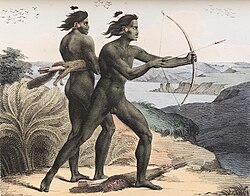
Chochenyo archers
San Francisco Bay, California
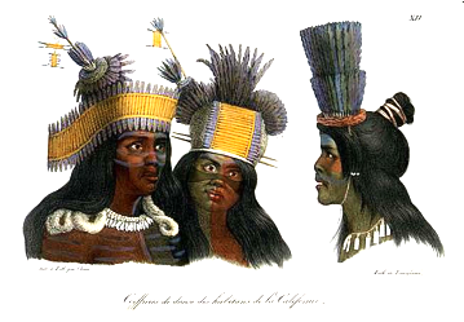
Feathered headdresses
California
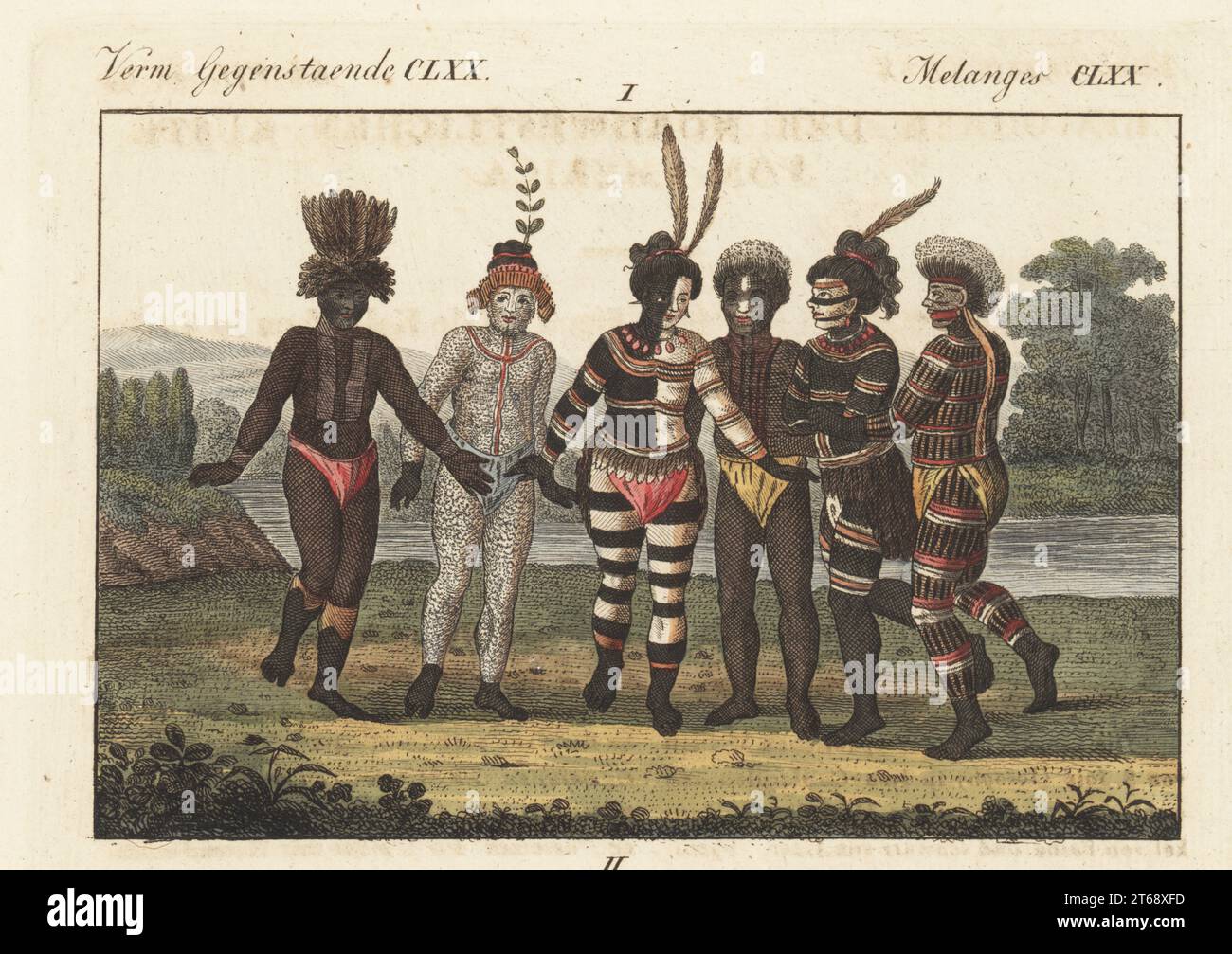
Painted dancers
California coast
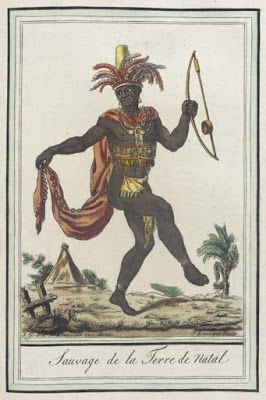
Chief with bow
Terre de Natal, Americas
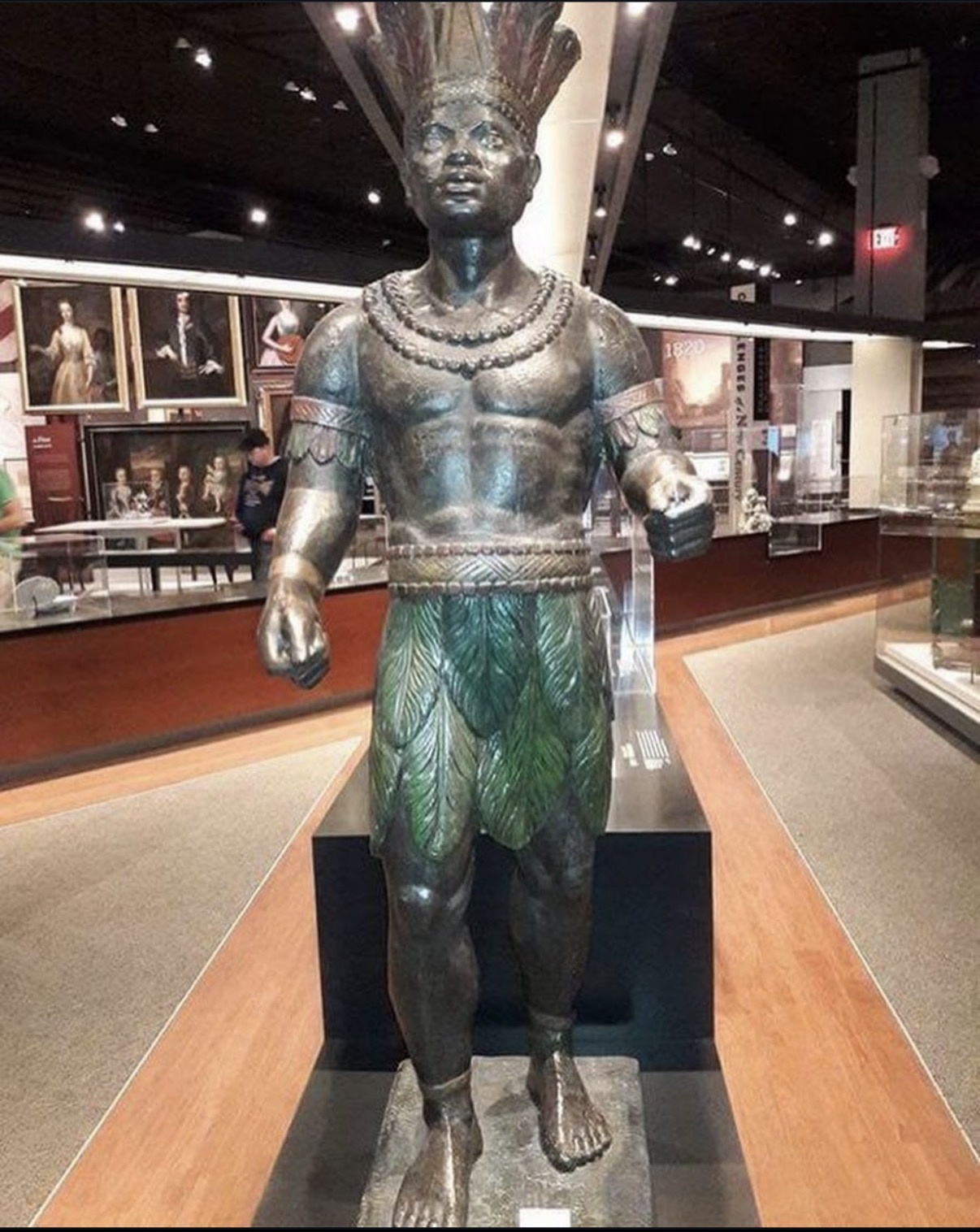
Aboriginal American statue
Richmond Museum
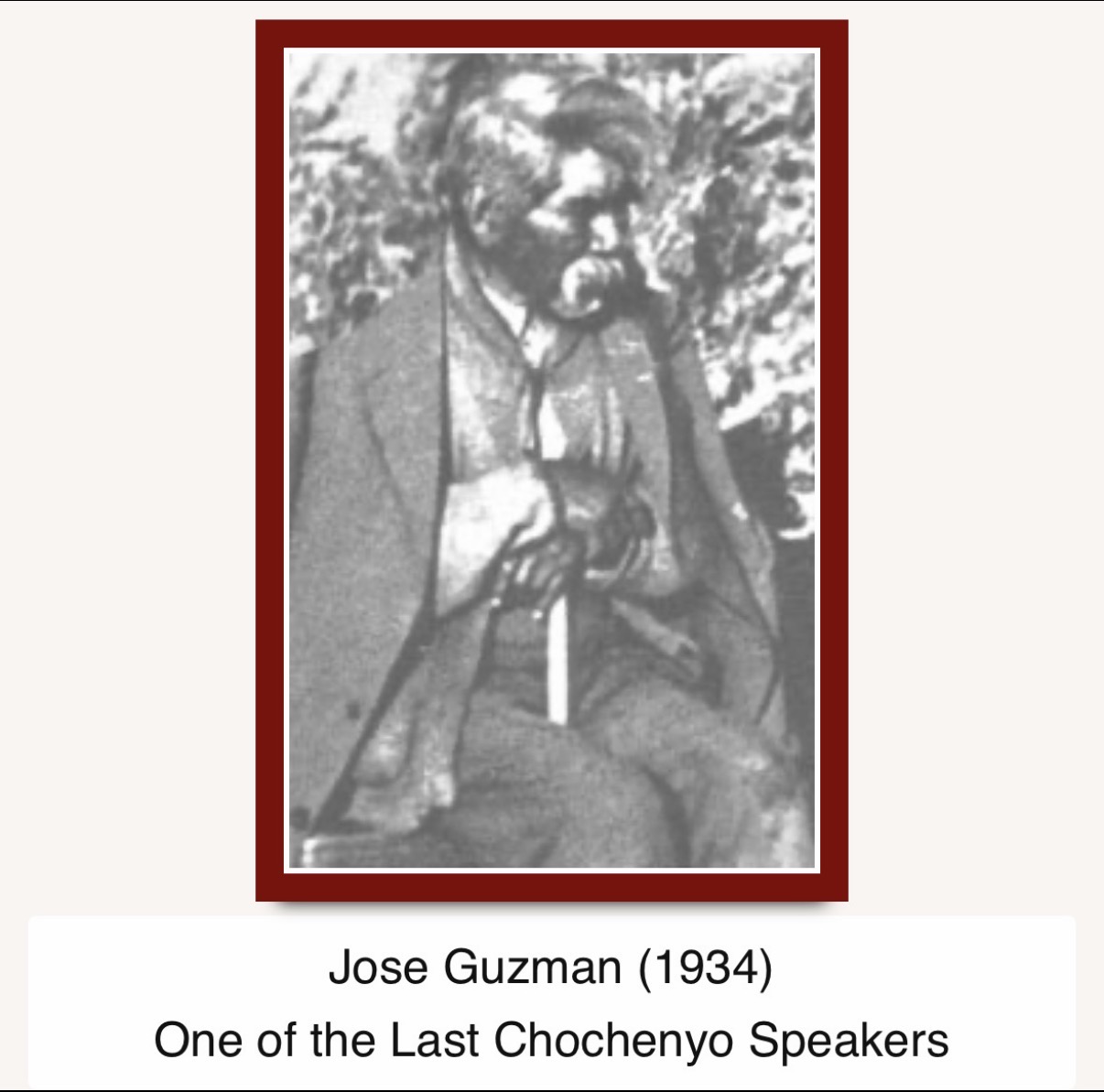
Jose Guzman (1934)
Chochenyo Ohlone, California
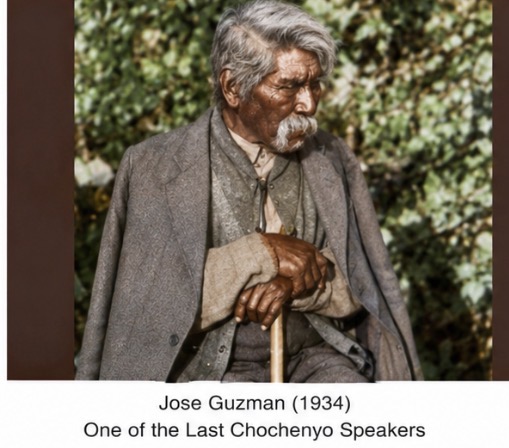
Jose Guzman (1934)
Chochenyo Ohlone, California
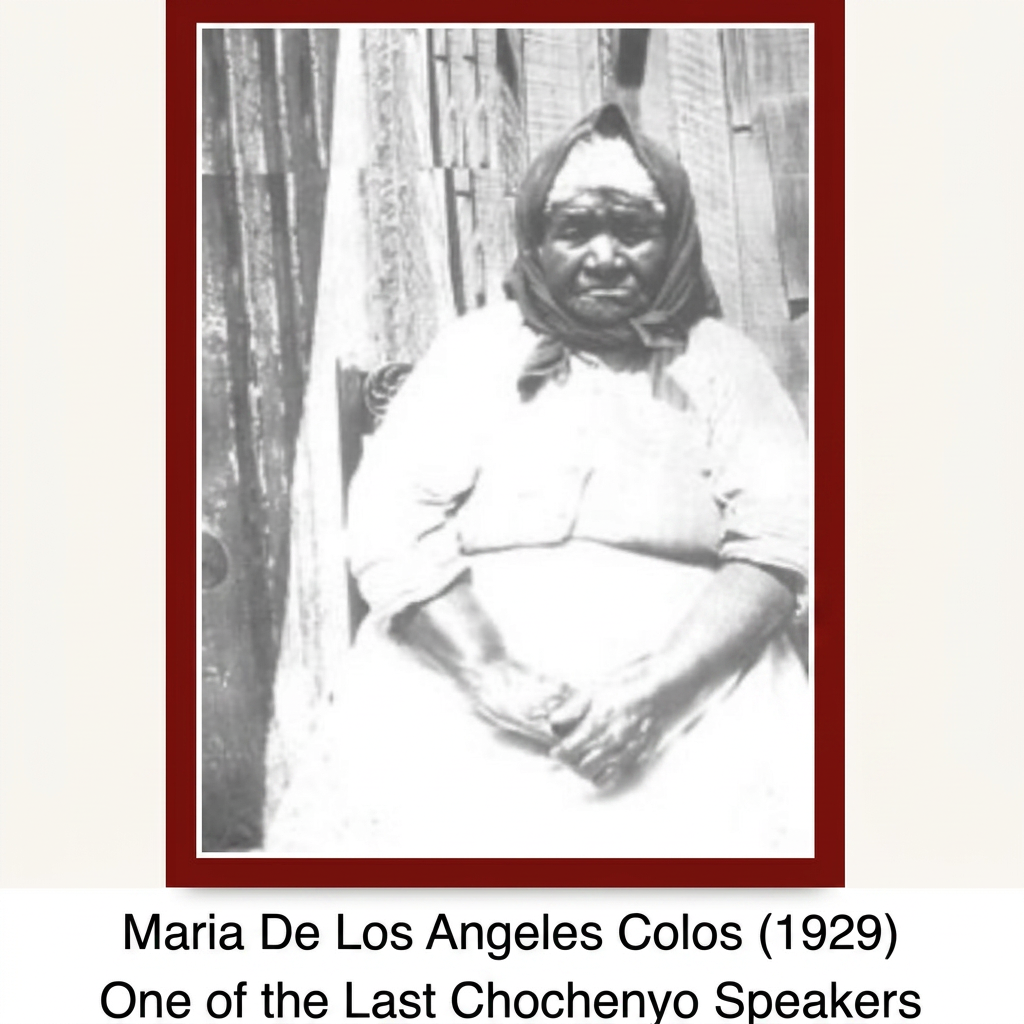
Maria De Los Angeles Colos (1929)
Chochenyo Ohlone, California
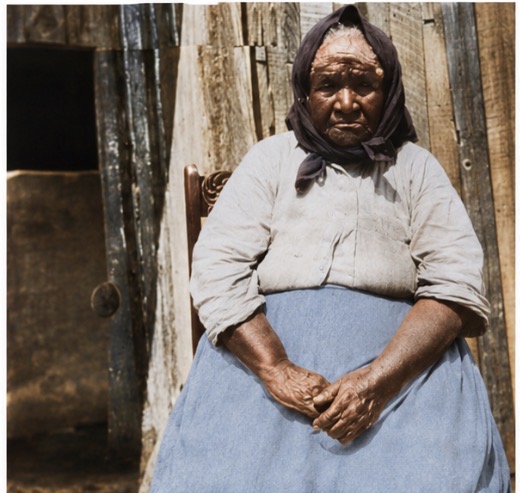
Maria
Chochenyo Ohlone, California
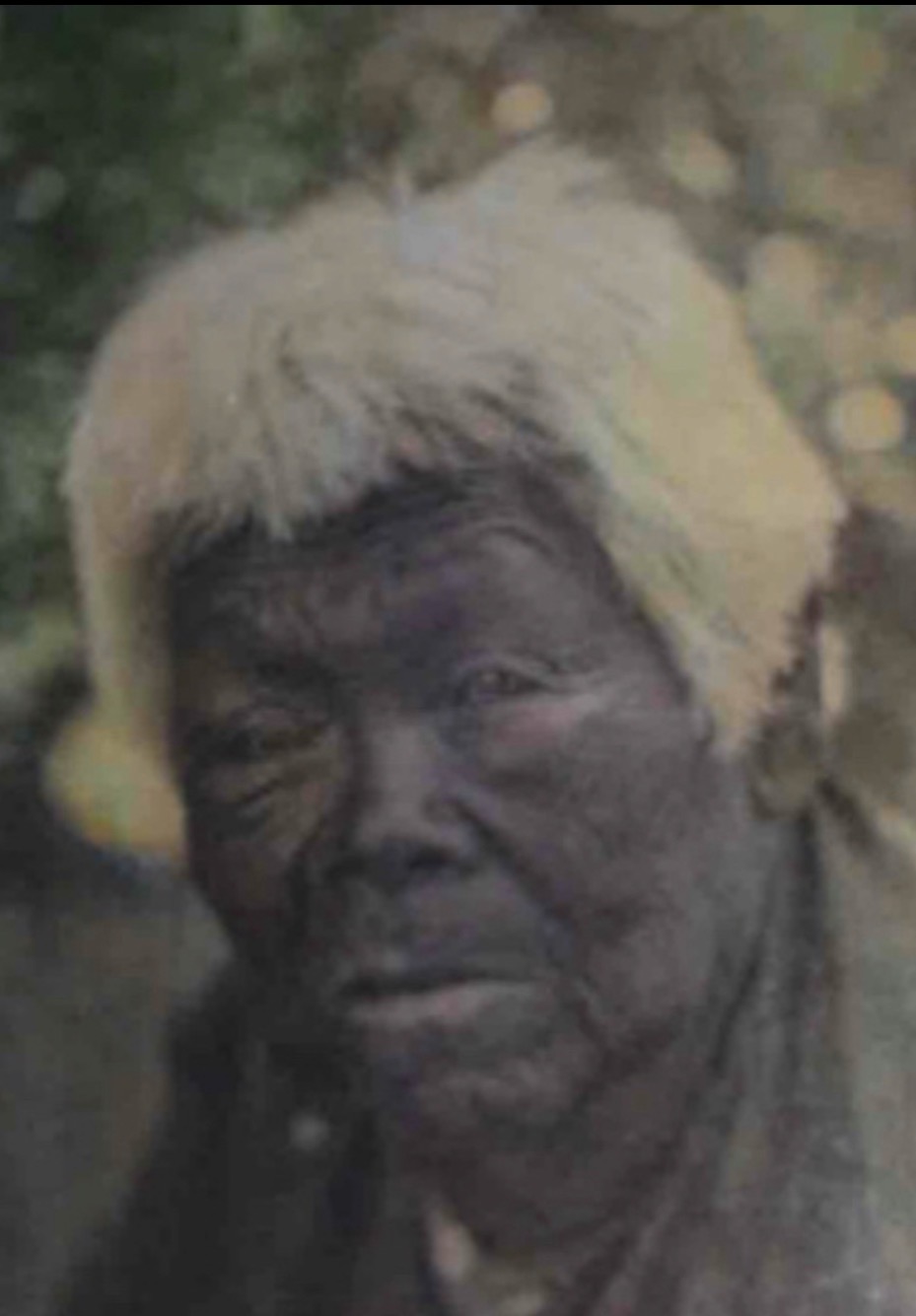
Miwok Native American
California