


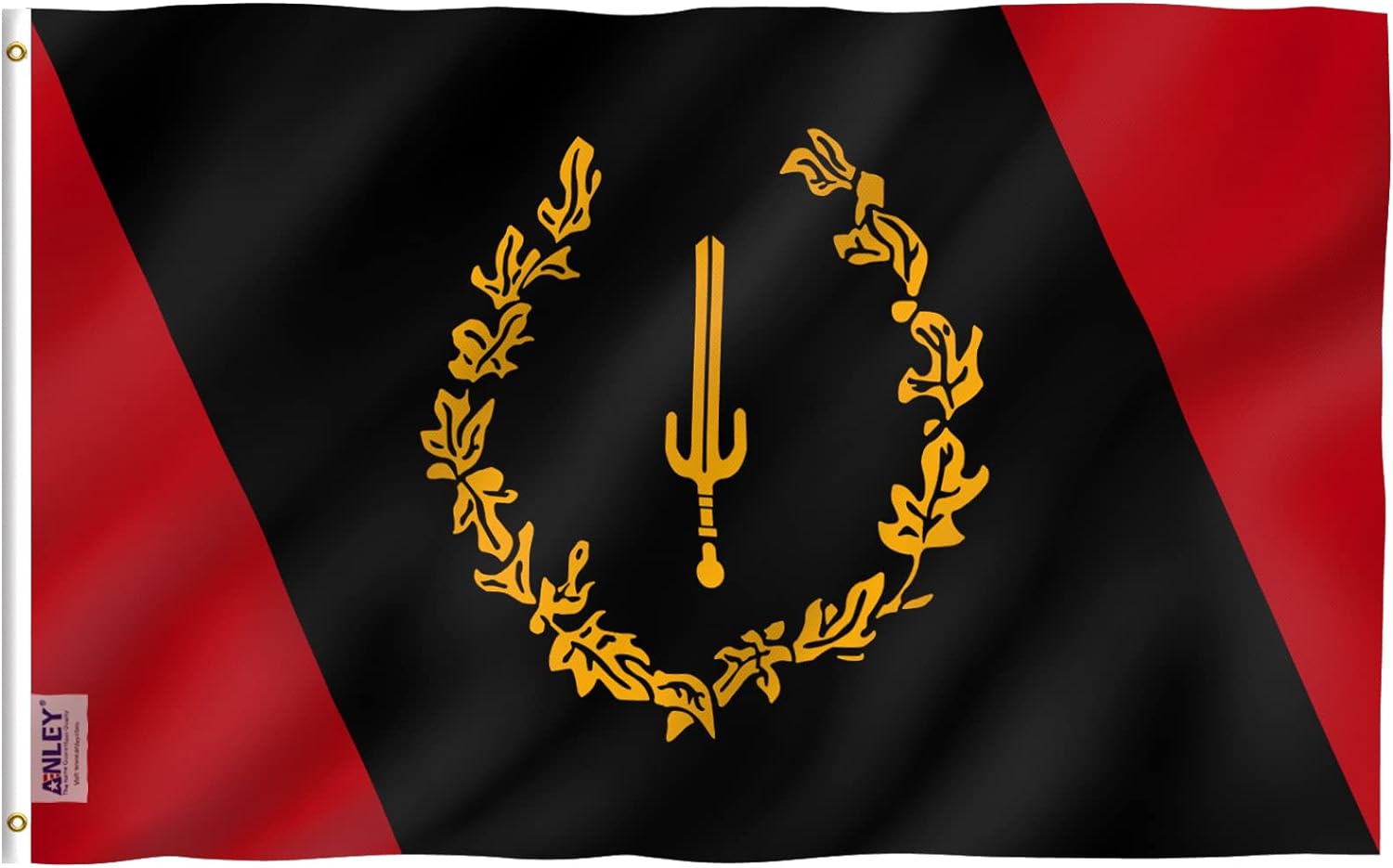


Haplogroup D
Andamanese
The oldest indigenous people of India, and one of the two oldest continuous populations of the out-of-Africa migration.
India
All Black Aboriginal peoplesHistory & information
The Andamanese inhabit the Andaman Islands in the Bay of Bengal. They include the Great Andamanese, the Onge, the Jarawa and the Sentinelese, the last of whom remain almost entirely uncontacted.
They are the oldest indigenous group in India and aboriginal to the country. Their languages form an isolate family unrelated to any mainland tongue, and they look phenotypically African while being genetically separated from modern Africans by tens of thousands of years.
They descend from the first Africans to leave the continent and migrate along the southern coastal route through Arabia and South Asia. They are older than the current population of India, and where mainland South Asians can be extremely dark while retaining distinct features, the Andamanese remain indistinguishable in appearance from Africans.
Paternally the Andamanese carry haplogroup D, the sibling of haplogroup E within DE. D and E split around 65,000 to 70,000 years ago; E remained the African lineage while D became the marker of Black Aboriginal South Asia and, further north, of populations in Tibet and Japan.
Their tribes resemble an archaic African pygmy population likely originating in ancient Central or East Africa.
The other side
The lineage breakdown
One lineage defines the Andamanese: haplogroup D, the sibling of haplogroup E within DE.
Photo gallery
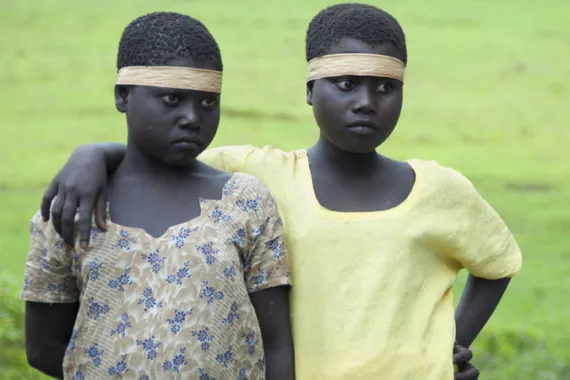
Great Andamanese
Andaman Islands, India
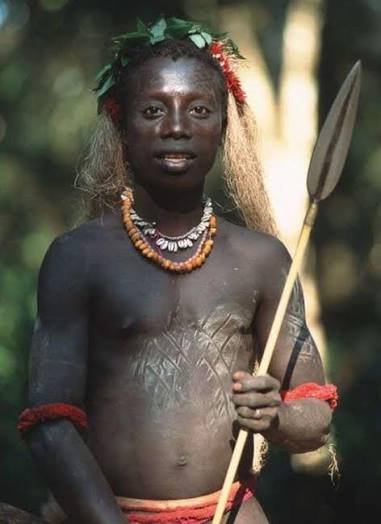
Onge
Andaman Islands, India
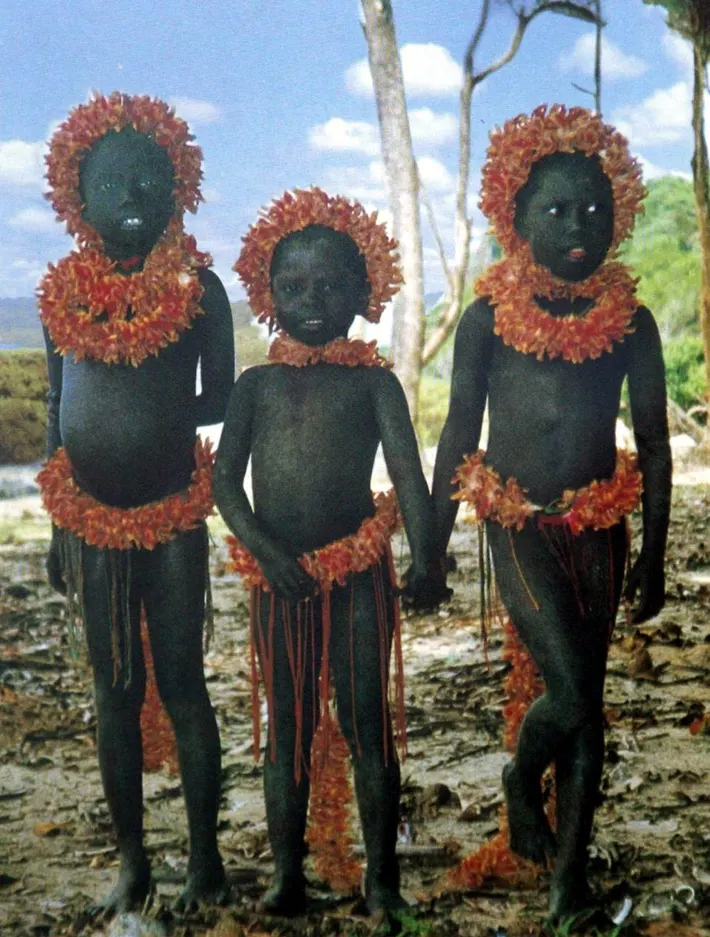
Andamanese children
Andaman Islands, India
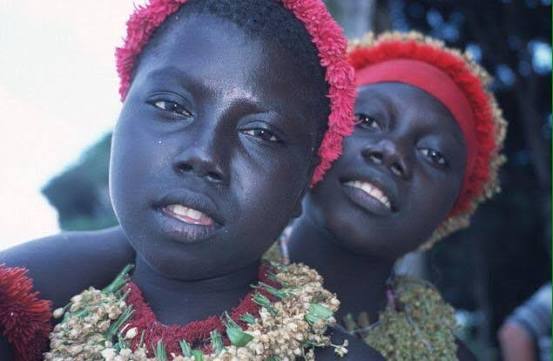
Andamanese youths
Andaman Islands, India
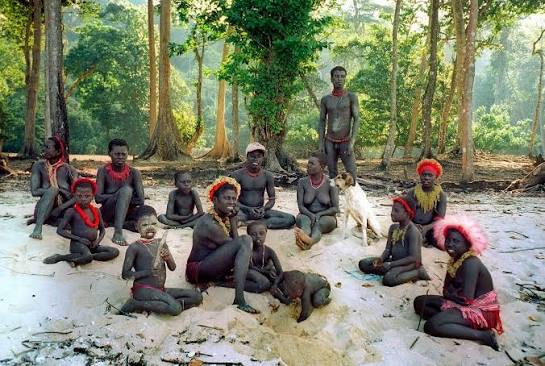
Sentinelese
Andaman Islands, India
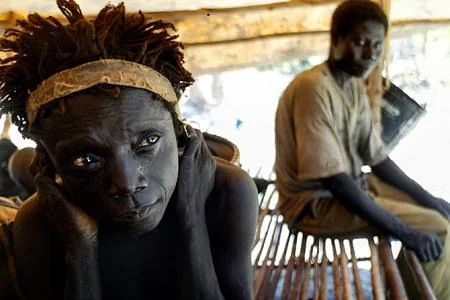
Great Andamanese elder
Andaman Islands, India